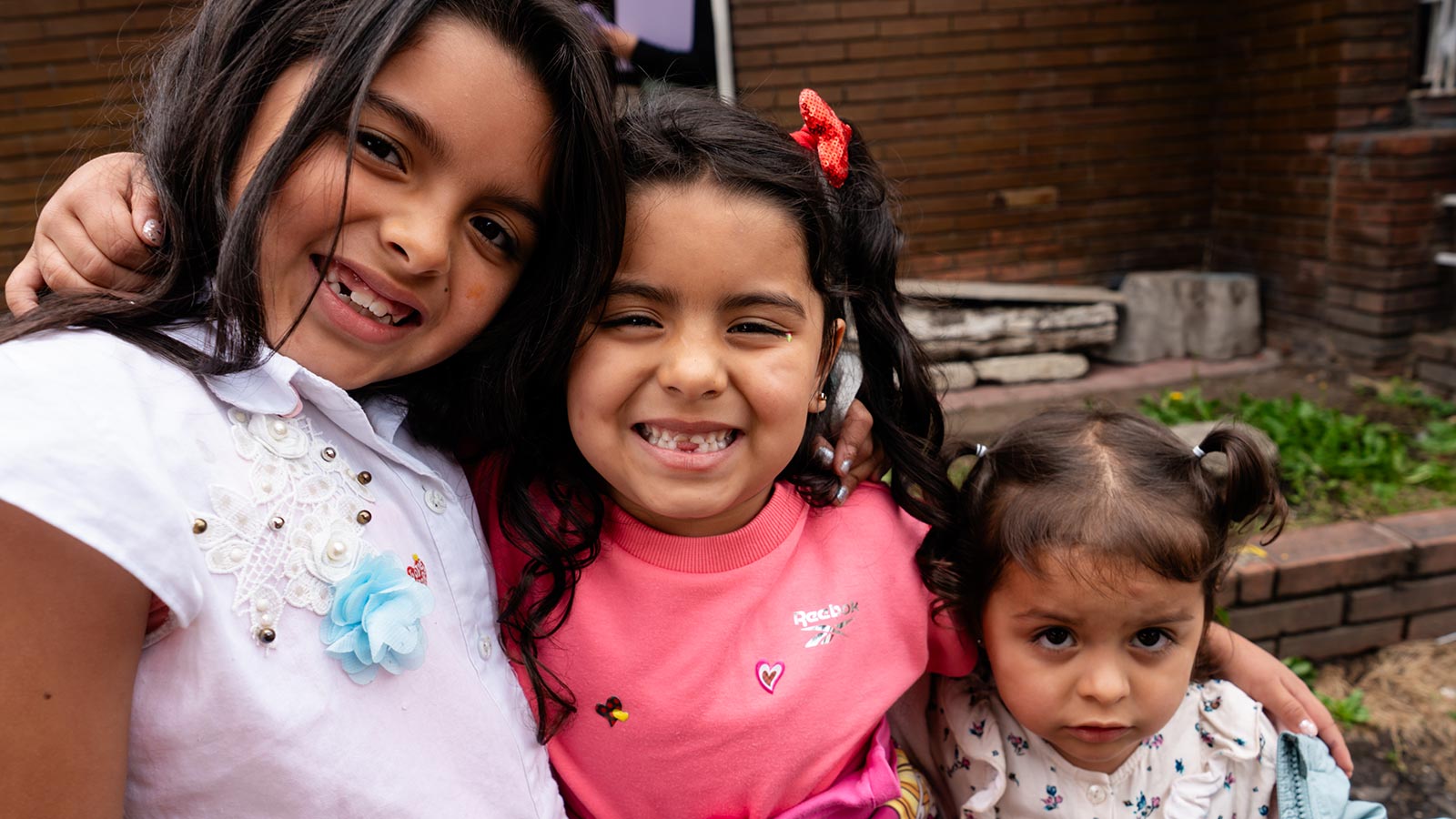
Abandoned as a newborn, Sara spent her first 16 months in an institution in Colombia. Through the support of Holt donors, she’s now home — reunited with her sisters and grandmother and growing up in the nurturing love of family.
Three bright-eyed sisters tumble into a giggling pile as their grandma, Adela, laughs.
This beautiful family lives together in central Bogotá, Colombia.
Ambient light streams through sheer curtains, illuminating the living room. Family photos line the shelves. In the corner, children’s crayon drawings peek from the fridge door, proudly displayed. This home is filled with love — and the sound of laughter.
But not long ago, life looked very different. Three-year-old Sara, the youngest, lived in an orphanage.
For 16 months, Sara knew the smiling faces of her caregivers and the routines of an institution. But from the day she was born, she’d never lived with family.
As a newborn, Sara was hospitalized for low birth weight. Doctors suggested ‘kangaroo care’ — continuous skin-to-skin contact with her mother — to help nurture her growth.
But after Sara’s mother recovered from birth, she left the hospital — without Sara.
Separated from Family
Adela didn’t even know her daughter was expecting again. The call came out of nowhere.
A baby had been born. But instead of going home with her mother, Sara had already been taken into institutional care.
For Adela, the news was devastating. Her daughter had long struggled with poverty and substance abuse — the same challenges that had already led Adela to step in and care for Sara’s older sisters, Isabella and Ada.
Adela knew that bringing Sara home would not be simple. She had been through the reunification process once before.
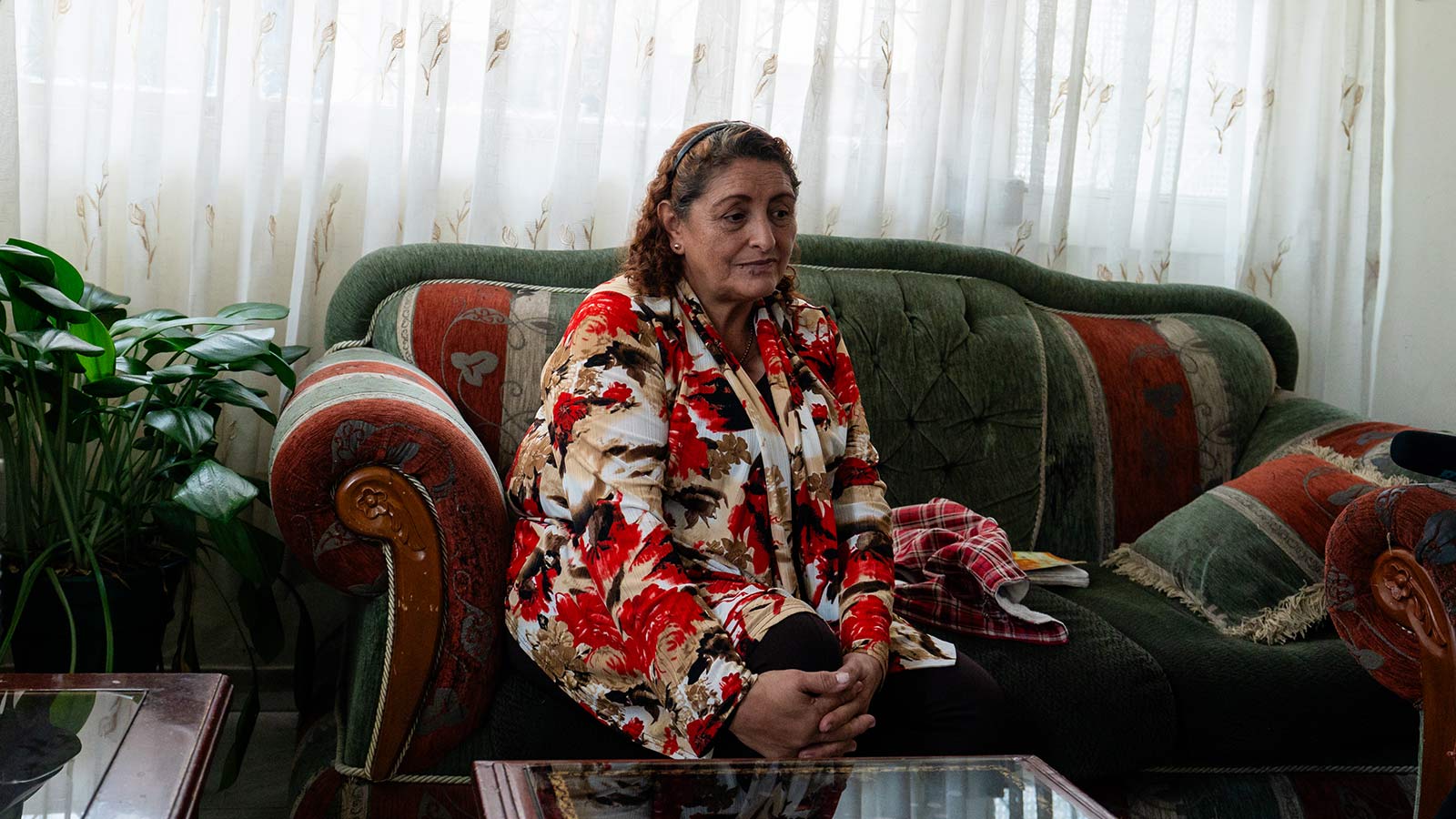
In that process with Sara’s older sister Ada, the situation had been even more urgent.
After being separated from her parents, Ada was taken into state care, but Adela was told that she was living safely with relatives. For six months, Adela continued to ask about her granddaughter but was met with the same answer.
By the time Adela discovered the truth, Ada’s case was already nearing adoptability.
“When I found out about Ada, I was crying. I felt like dying. I couldn’t believe it,” Adela says.
“When I found out about Ada, I was crying. I felt like dying. I couldn’t believe it.”
Without family stepping forward, Ada could have been permanently separated. Adela refused to let that happen.
After months of persistence, Adela was able to bring Ada home.
But the process left her largely on her own. Aside from a few initial visits with social workers, there was little follow-up, guidance or support to help the family adjust and grow together.
Still, Adela did what she could — determined to keep her family together. But navigating that process — especially alone — can be overwhelming.
When it came time to bring Sara home, Adela knew she would need more support.
Reunifying Families in Colombia
For the past 10 years, Holt donors have been helping children safely reunite with their families — whether parents or relatives — through Holt’s partner, La Casa de la Madre y el Niño.
For caregivers like Adela, navigating the child protection system can be complex — and lasting reunification requires more than meeting basic legal requirements.
“What happens in Colombia is that children come into the system, but they end up in the same cycle because we never work with the families,” explains Lorena Vargas, sub-director of La Casa. “If you don’t work with the families … you’re not changing the cycle of poverty or mistreatment.”
“If you don’t work with the families … you’re not changing the cycle of poverty or mistreatment.”
While Colombia’s child protection system requires a one-year reunification process, support often ends there — even though families still face ongoing challenges.
Through family counseling, therapeutic play, caregiver training and ongoing in-home support, La Casa helps families build the stability children need — not just to return home, but to thrive there.
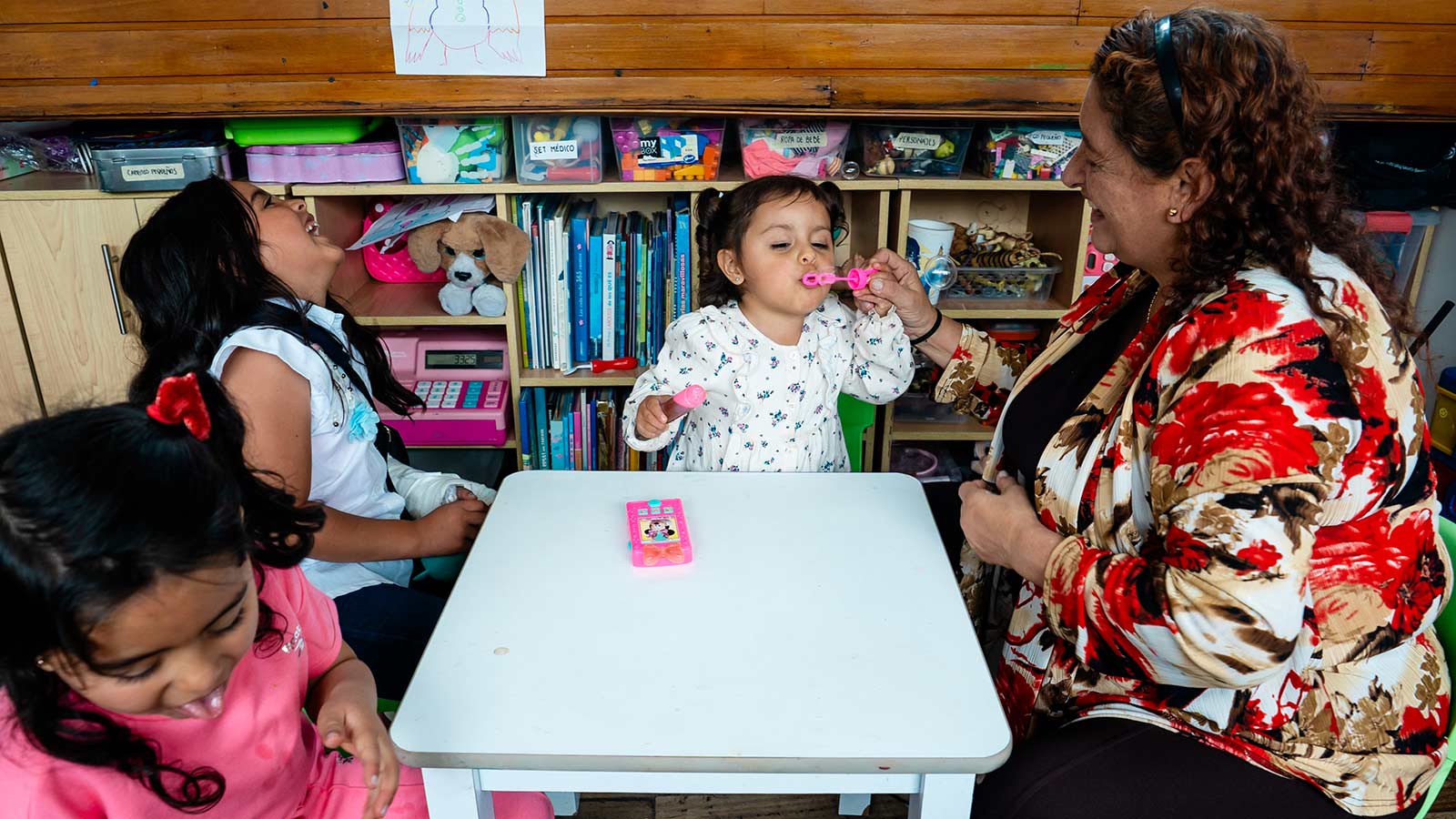
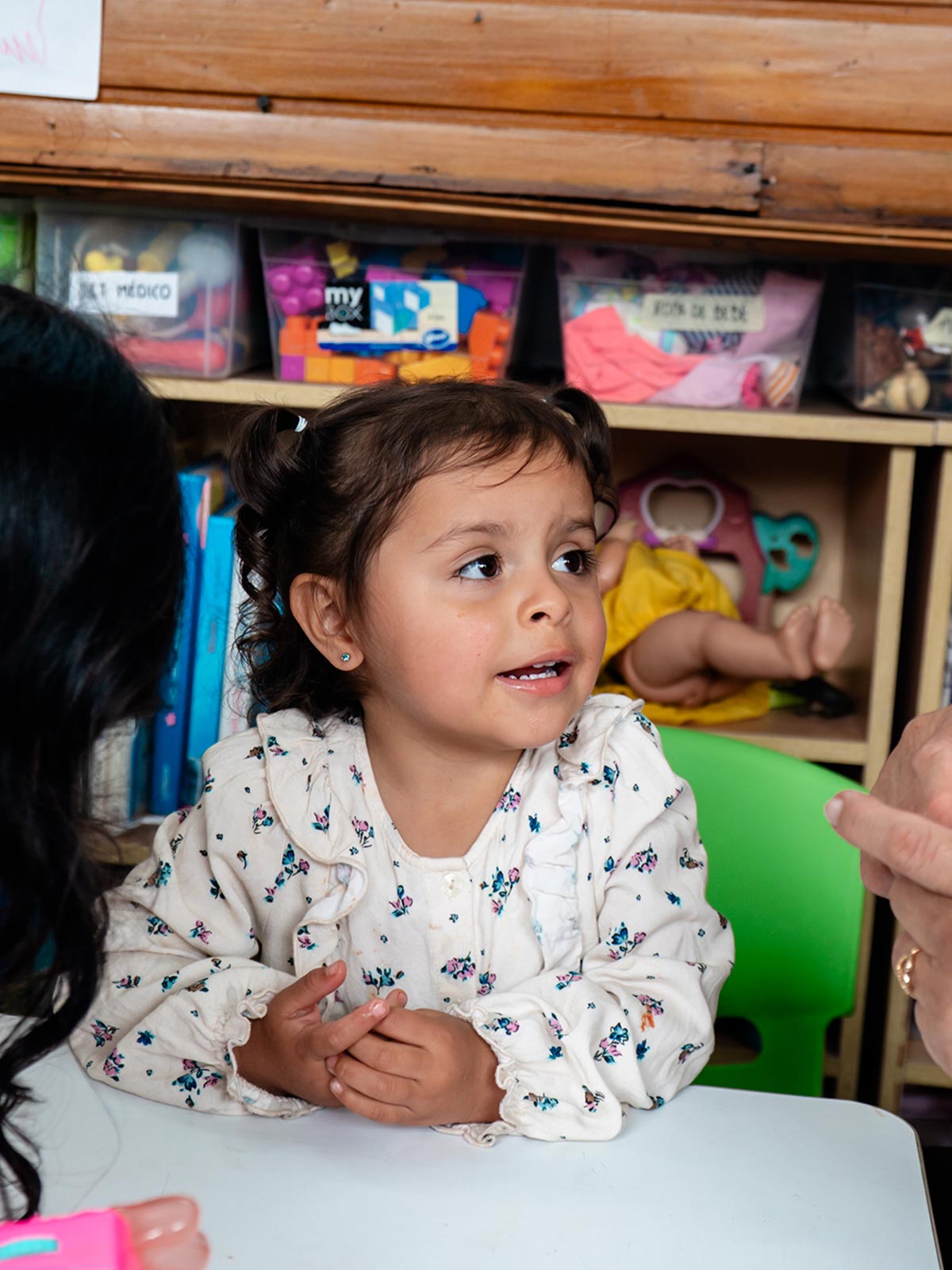
Because of donor support, caregivers like Adela don’t have to navigate this journey alone.
Unlike her experience with Ada, Adela had consistent support from La Casa throughout Sara’s reunification process.
“I can call them anytime — even outside of working hours,” Adela says.
With holistic support, families like Adela’s have the tools they need to thrive together. Over 90% of children in the reunification process have safely reintegrated into their families with La Casa.
“Right now, we’re working with 24 families. That has a large impact on families in Colombia. It’s the grandmother, the father, the young children. You’re really impacting a whole cycle of people because you involve more people in the program,” Lorena says. “That’s exactly what this program is about: breaking cycles, changing future generations and really guaranteeing that these children are being well-raised.”
“That’s exactly what this program is about: breaking cycles, changing future generations and really guaranteeing that these children are being well-raised.”
Reunified at Last
While Sara was living in an institution, La Casa was with Adela every step of the way — even when things became challenging.
Adela nearly completed the reunification process when an extended family member, previously absent from the case, stepped in to claim custody. It delayed Sara’s return home by about six months.
Each day that went by, Adela thought of her granddaughter growing up without her family.
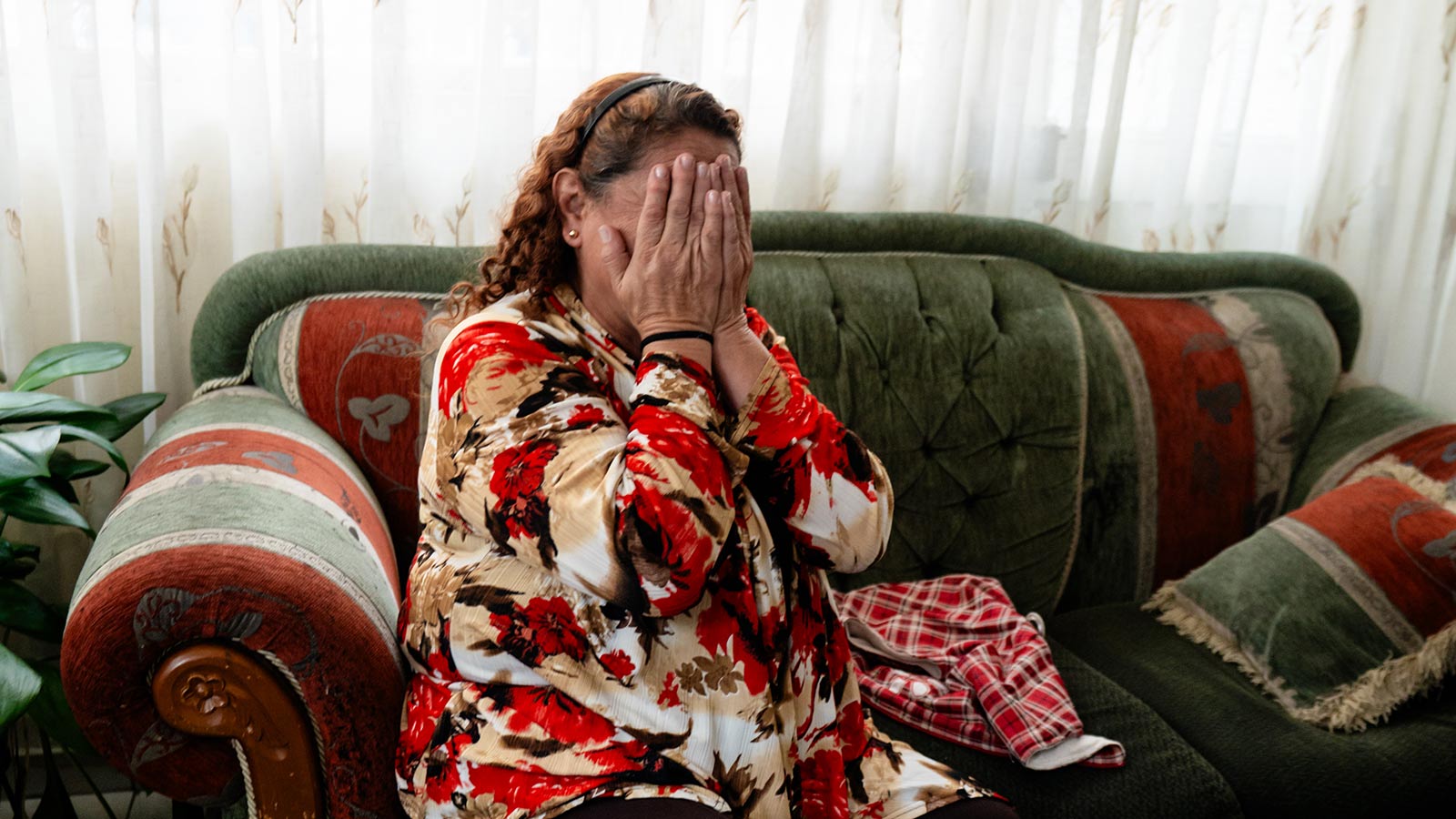
“I have to be with them,” Adela says, covering her face with her hands. “When we are apart, I suffer.”
Thankfully, Adela was able to visit Sara at the orphanage, engaging in therapeutic play — first monthly, then weekly. With each visit, she watched Sara grow and change. Saying goodbye was the hardest. But then came a day when that changed.
After 16 long months of waiting, Sara came home to live with her grandmother and sisters.
Together as a Family
As we sit in the living room with Adela, all three girls hold hands as they go upstairs to play. Sara has been living with her grandmother and sisters for a little over a year.
“All three of them love to dance — a lot. They love to draw and sing,” Adela says. “These girls are mine. They are my oxygen.”
“These girls are mine. They are my oxygen.”
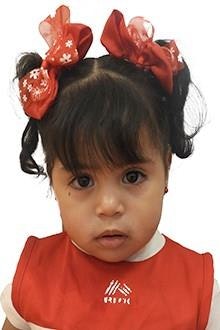
Isabella, the oldest, is 7. She loves going to school and recently broke her arm on the soccer field. Ada, 5, confidently says her favorite color is purple. She wears a sparkly red bow in her hair and shows us her drawing notebook. Sara, now 3, smiles shyly and says her favorite color is purple, too — like her sister. Her dark hair is tied up in two curlicue pigtails.
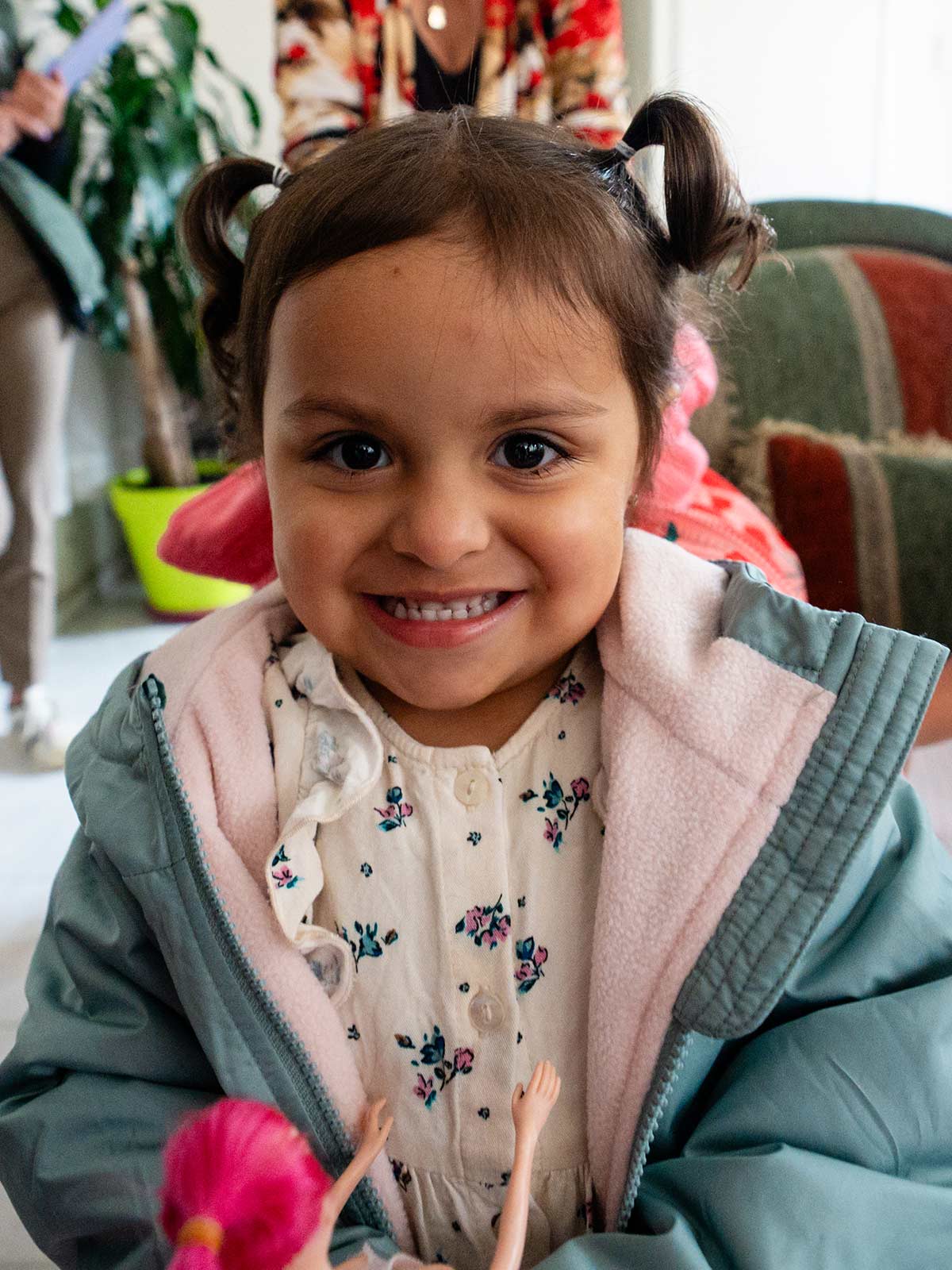

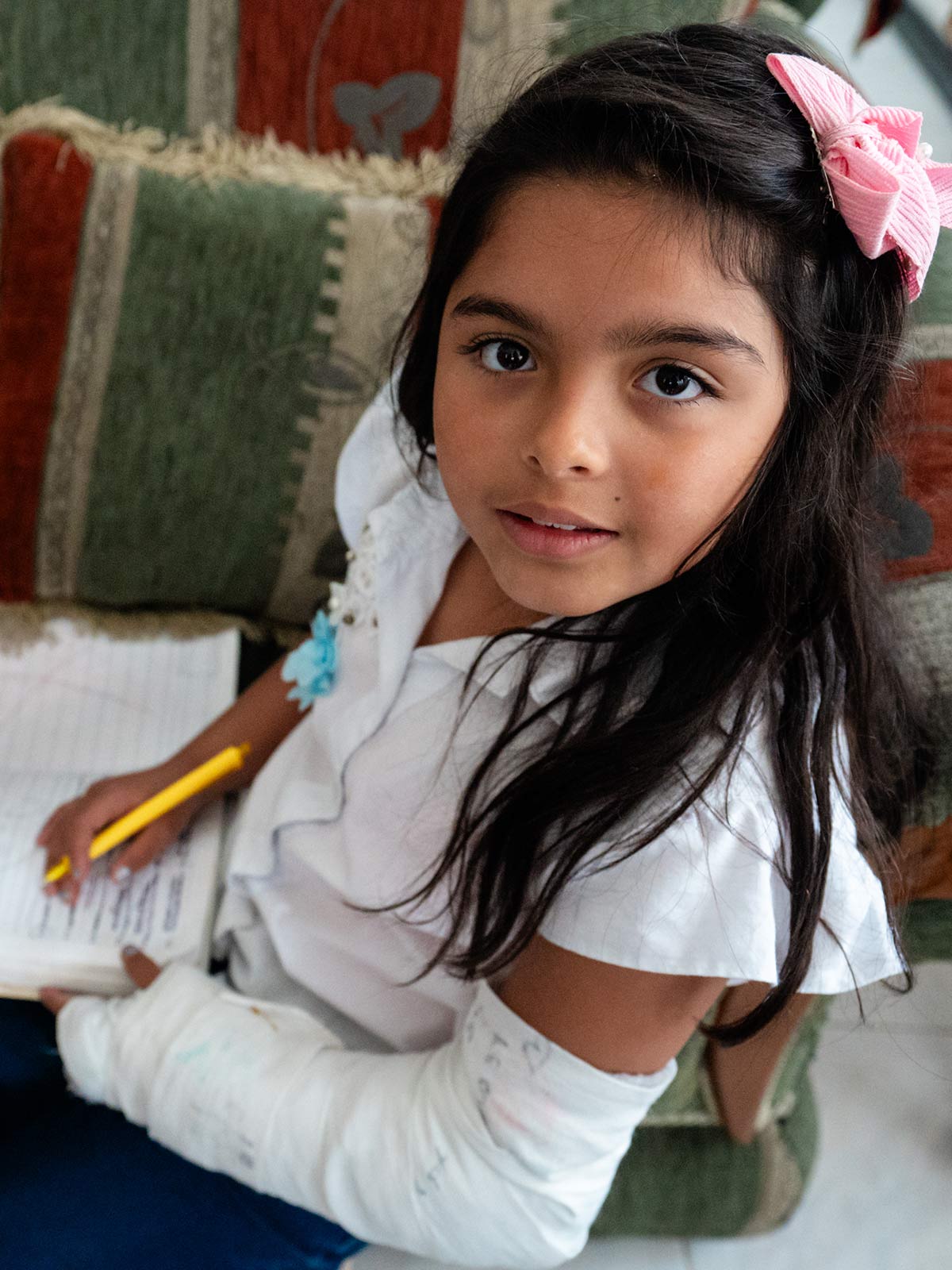
“These girls love each other. They care about each other,” Adela says with a warm smile.
Before caring for her three granddaughters, Adela worked full-time. Now, she runs a small business from home, selling arepas and chorizos from her front steps. But life has not been easy. Adela has rearranged nearly everything to care for her granddaughters.
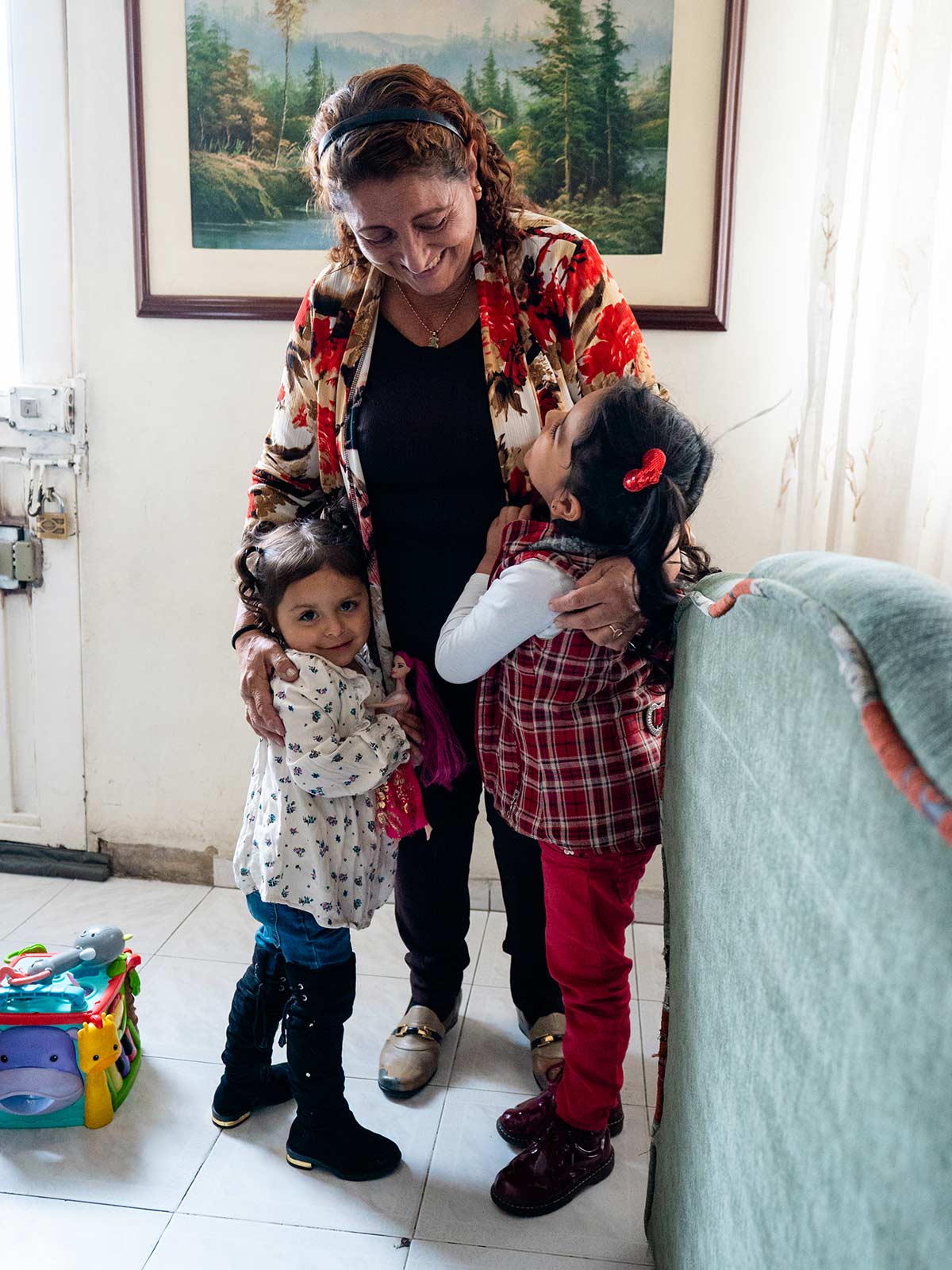
“I’ve struggled a lot and it’s been hard,” Adela says. “I’ve changed my whole life. I spoke with my father, and he said, ‘But you have all the freedom in the world. Now you’re going to be a parent again?’ But these girls are mine. They are my blood, and I love them.”
A Future of Hope
Over time, Adela has seen all three of her girls grow and change. And through the process, Adela has seen herself change, too.
“With my own children, there was a six-year difference between each of them. I was working a lot, and each of my kids helped take care of the younger sibling,” Adela explains. “Now I can be more present. I have learned so many things.”
As a woman in her 60s, Adela never thought she’d be a stay-at-home mom again. But she says raising Isabella, Ada and Sara has meant everything to her, and she wants them to have a bright future.
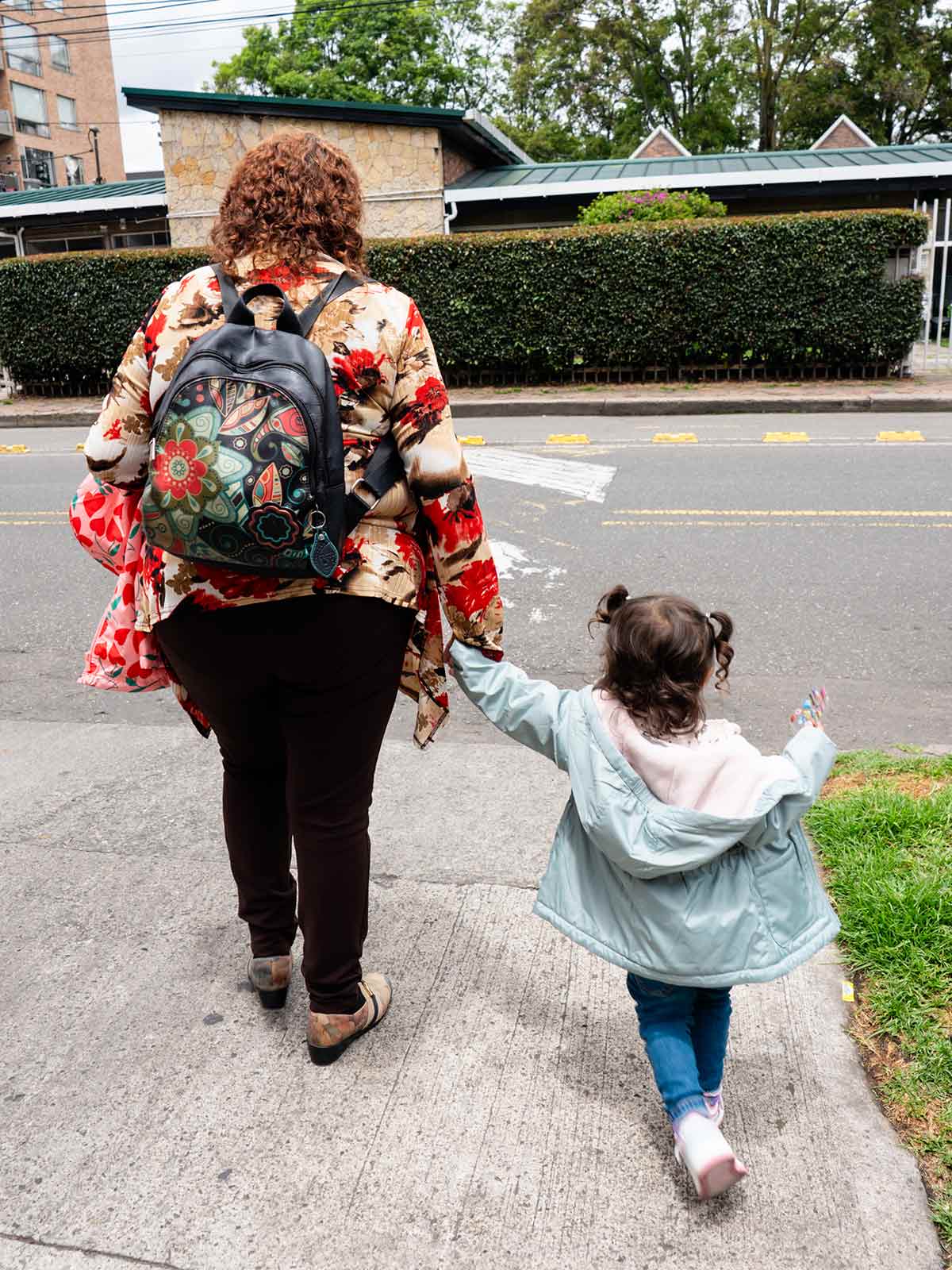
“I want them to have a good childhood here in our home, where they can learn good self-worth,” Adela says. “I want to give them a lot of stability.”
Through the support of La Casa and the generosity of Holt donors, Sara isn’t growing up in an orphanage — she is surrounded by her sisters, in the arms of her grandmother, exactly where she belongs.
When we ask what Adela would say to the Holt donors who have helped her, she smiles.
“I would tell them that they gave me life. They have supported me. They have taught me,” Adela says. “Keep going and keep helping people as you have helped me, because I know this is very tough work, but we need it. Thank you from the bottom of my heart.”
Help Children & Families in Colombia
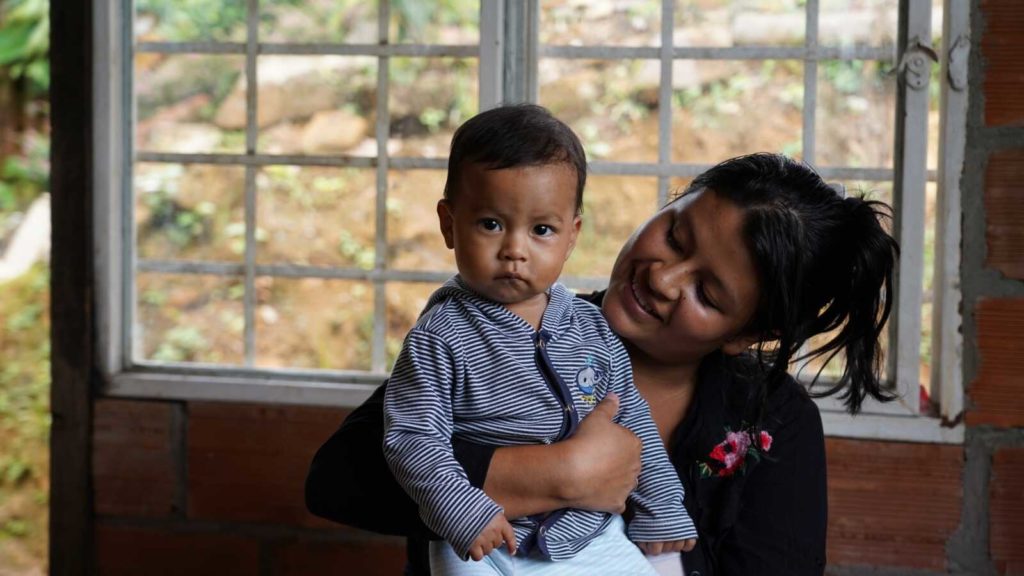
Colombia has one of the highest rates of teen pregnancy in Latin America, and many children live with young single mothers who struggle to meet their needs. Colombia has a long history of crime and violence, which makes life dangerous for children. Your gift will help a child or family in Colombia in greatest need.