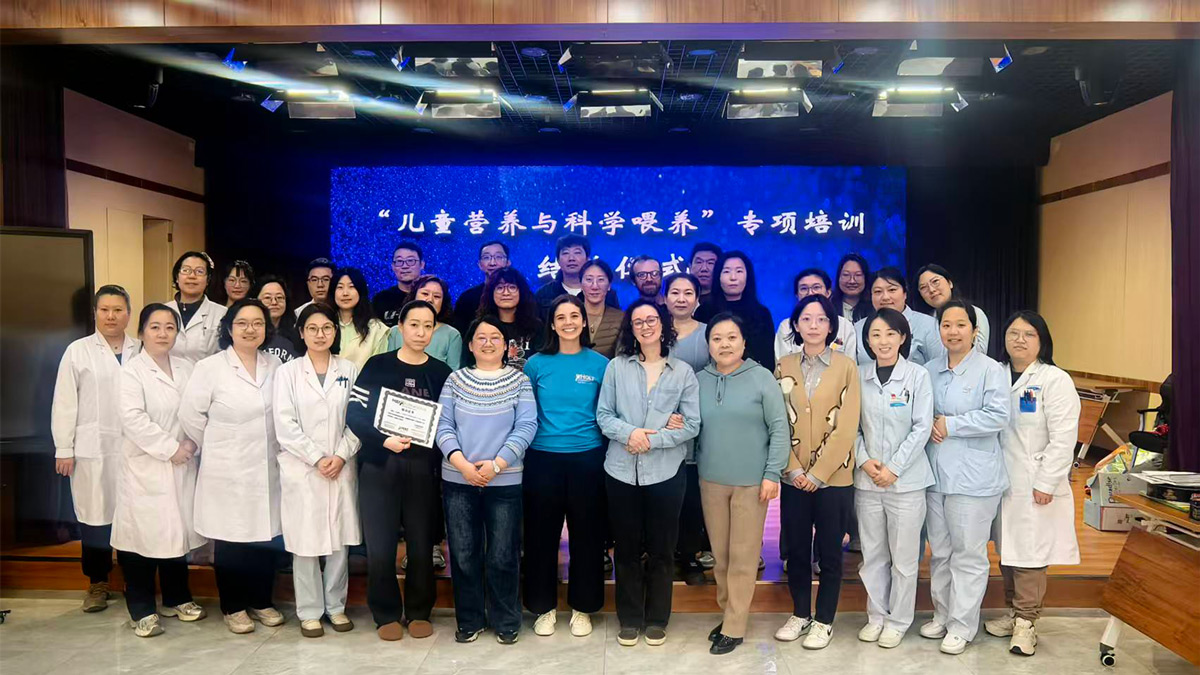
Thanks to your generous support, caregivers at a Holt-supported orphanage in China are receiving life-changing training — and children of all abilities are getting healthier!
Good nutrition is the cornerstone of healthy childhood development, especially for children living in orphanages. This past January, Holt International’s nutrition and health services team conducted a successful Child Nutrition Program (CNP) training at the Tianjin Children’s Welfare Institute, an orphanage in China serving hundreds of children, many with disabilities. This initiative aimed to improve the health and well-being of vulnerable children by equipping caregivers with essential knowledge and practical skills in child nutrition and feeding, especially for infants and children with disabilities.
Orphanages often face unique challenges, including limited resources, high caregiver-to-child ratios and the increased risk of malnutrition among children who may have come from disadvantaged backgrounds. In China today, children born with disabilities face high levels of discrimination and risk of abandonment. Combined with economic hardships in underserved areas, this has led to an increased need for institutional resources to meet the children’s specific needs. Holt recognizes these challenges and has developed a specialized training program to address them, focusing on evidence-based nutrition practices tailored to the needs of children in institution-based care.
Partnering With Orphanage Staff
At the Tianjin Children’s Welfare Institute, the Holt team, comprised of nutritionists, feeding specialists and child welfare experts, partnered with local orphanage staff to provide interactive and practical training, using hands-on learning and culturally relevant strategies.
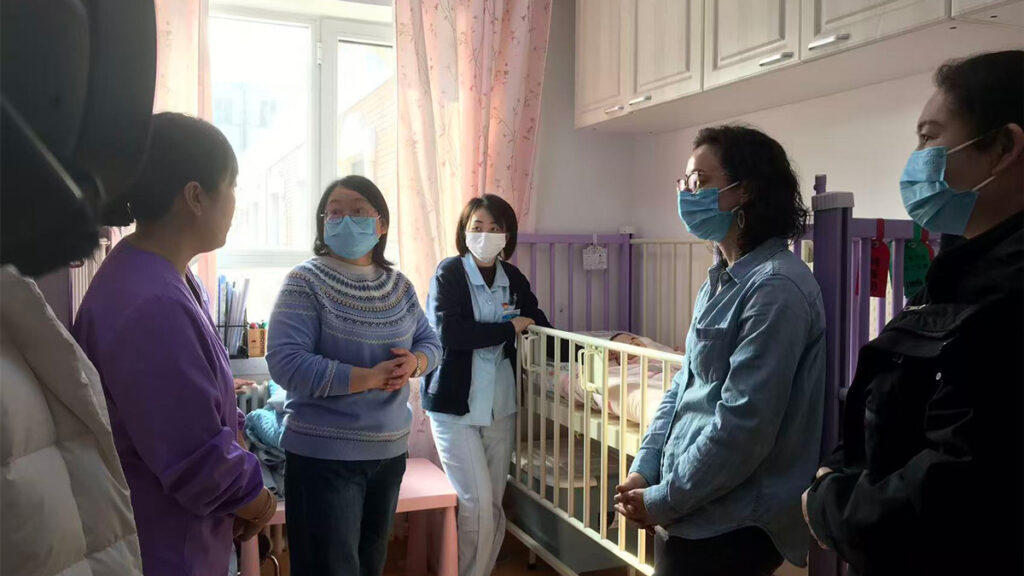
Some of the training topics included:
- Basics of child nutrition and growth monitoring, highlighting the importance of regular health assessments and collaboration with medical professionals
- Identifying signs of malnutrition and micronutrient deficiencies
- Meal planning with locally available foods
- Feeding techniques for children with disabilities and medical needs
- Food safety and hygiene best practices
- Hands-on activities, such as preparing balanced meals and practicing feeding techniques, which enabled caregivers to build confidence in their skills.
Life-Changing Help for One Child
One of the most memorable aspects of the training was the engagement of the caregivers. Many shared their experiences and challenges and collaboratively came up with solutions to improve children’s lives. Holt’s team of experts encouraged questions and provided personalized advice, ensuring that each participant left with practical strategies for improving the children’s health and development.
While putting their newly learned CNP skills into practice, the site staff identified one child who experienced significant challenges at mealtimes, leading to malnutrition and poor development. Meilin* spent 22 hours a day in her bed, lying down with her hands in mittens to prevent self-injury. Her caregivers struggled to find safe ways to feed her and would end up spoon-feeding her meals while she lay in bed.
But after recalling the strategies that our feeding specialist recommended earlier that week, the team decided to try to move Meilin to a feeding chair — and the results were amazing! After spending most of her days lying down, Meilin experienced the world in a new way. Now at eye level with her caregivers and in a safer position for eating, Meilin was set up for success and her attitude showed it. Her eyes lit up with each new bite and her swallow appeared strong!
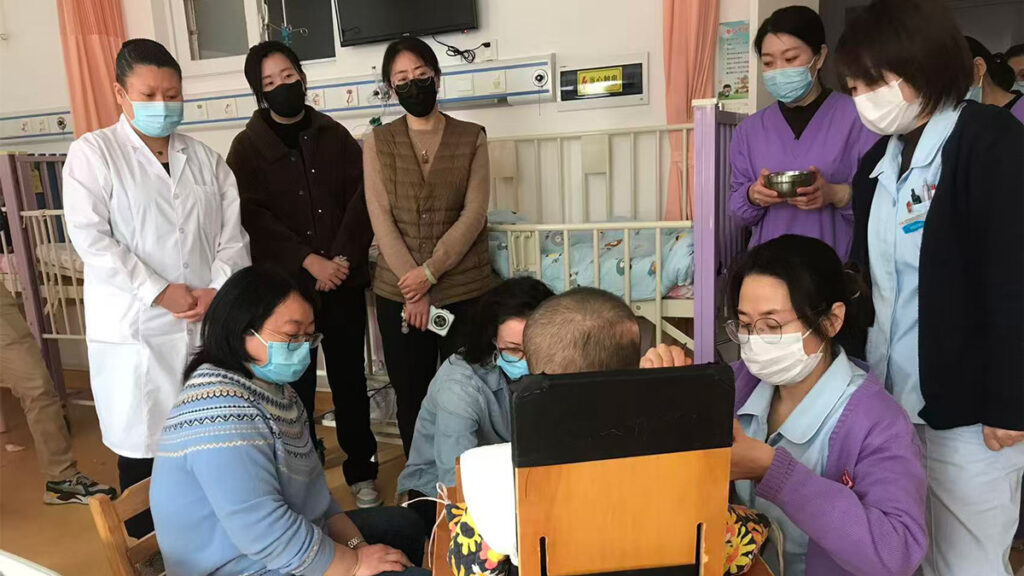
Meilin did so well in the feeding chair that the orphanage staff even took off her mittens and encouraged her to feed herself. The group of caregivers working with her were in awe. They had never believed Meilin could participate in her mealtime, yet here they were watching her practice feeding skills! In that moment, the caregivers realized that our assumptions of what children are capable of are sometimes the most limiting factor to their success. When given an opportunity and the right tools, children of all abilities can achieve significant milestones!
Holt’s Commitment to Change
Now that the training has concluded, the staff continues to provide opportunities for Meilin to use the feeding chair during meals. Like any skill, feeding takes practice. But as Meilin becomes more and more independent at mealtime, the burden on caregivers is reduced and the quality of care improves. Improved mealtime and feeding practices, in addition to the physical therapy she receives, have been life-changing interventions for Meilin. From staring at the ceiling day after day to participating in three meals and two snack times a day, Meilin has a whole new life ahead of her.
Improved nutrition for Meilin — and all the children at the orphanage — will support their lifelong well-being. Children at the Tianjin orphanage will now benefit from meals that are more balanced and tailored to their individual needs. With caregivers empowered by new knowledge, rates of malnutrition and related health issues will decrease over time, leading to better growth, development and overall happiness for children.
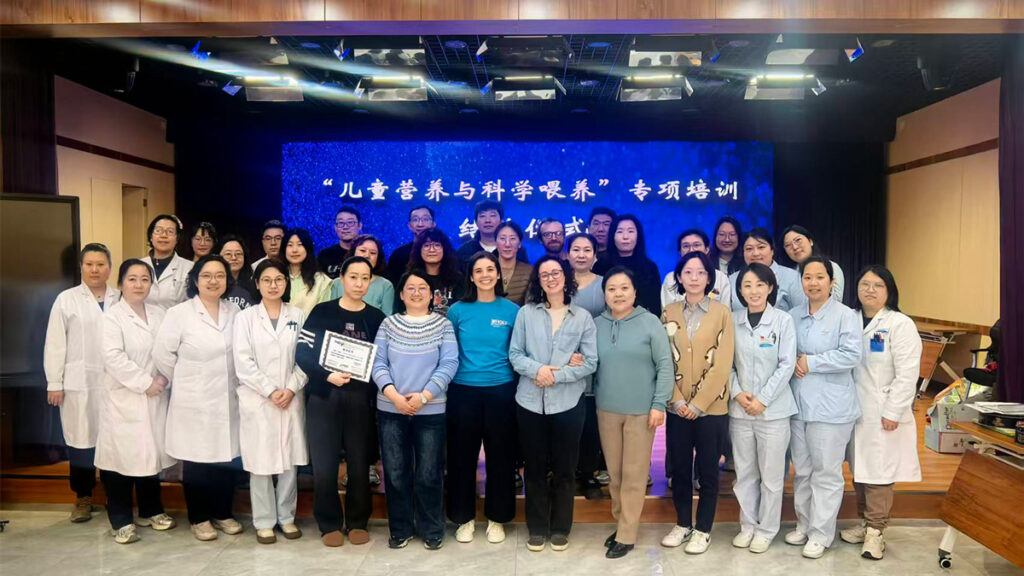
Holt’s commitment to sustainable change means that this training is just one part of a broader effort. Follow-up visits, ongoing support and collaboration with local health systems are planned to ensure that the positive impact lasts. The Tianjin orphanage will serve as a model for other institutions in China, demonstrating how targeted nutrition interventions can transform lives. Through the support of Holt donors and initiatives like these, Holt International is paving the way for a future where every child has the opportunity to thrive.
By joining Food Every Day— Holt’s community of monthly donors dedicated to ending child hunger — you will be investing in Holt’s Child Nutrition Program and its caregiver training, safe feeding practices and nutrient-rich diets. You can help to ensure that every child — whether living in an institution or with a family — receives the nourishment needed not just to survive, but also to grow and thrive.
*Name has been changed to protect privacy
You Can Help a Hungry Child
When you give Food Every Day, you not only help a child learn, play and grow — you help keep their family together.