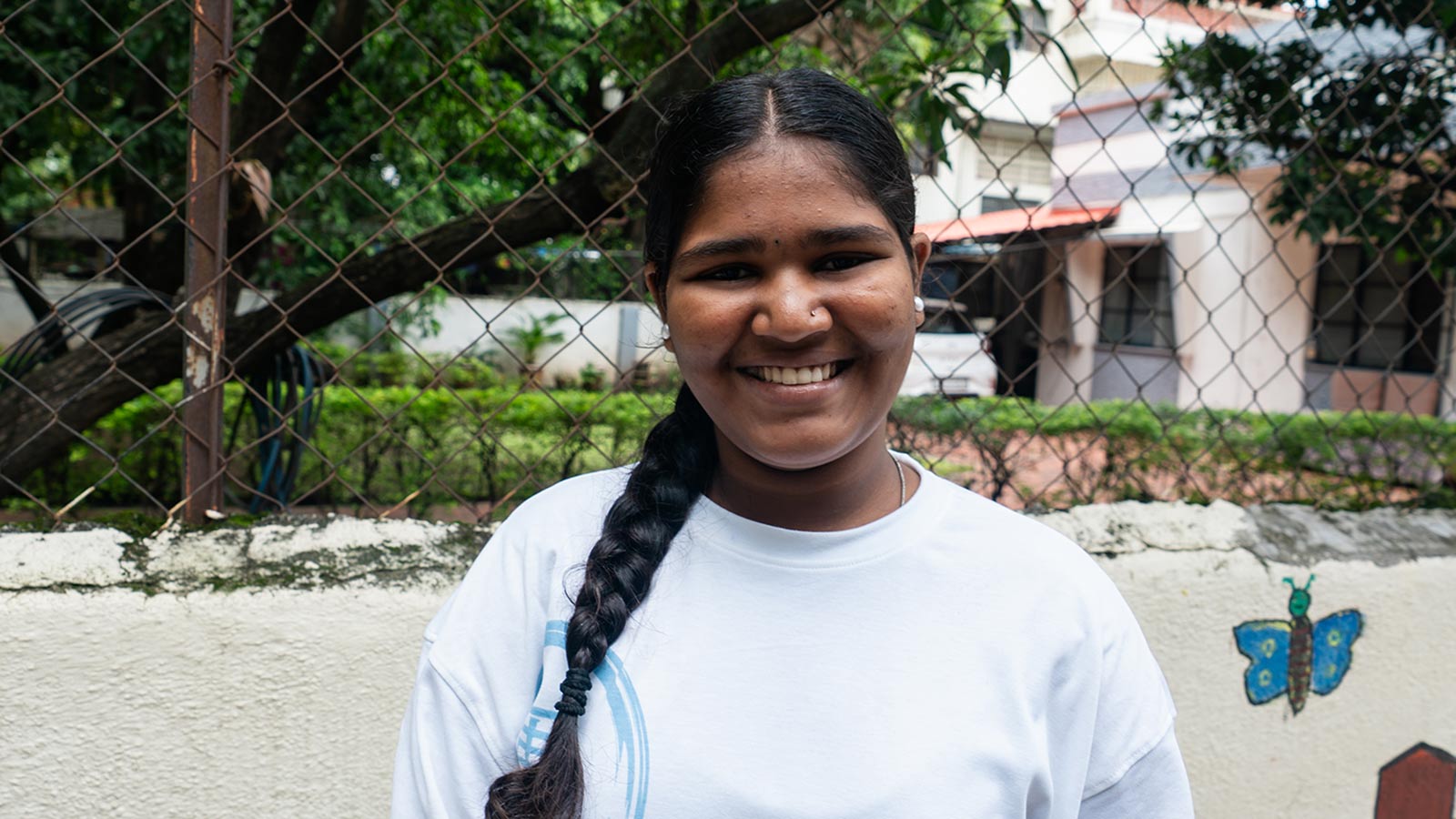
Meena was just 14 when relatives pressured her family to pull her out of school and enter her into an arranged marriage. But thanks to Holt sponsors and donors, she stayed in school — and now she’s building a future full of possibility.
Six-year-old Meena loved to dance. She enjoyed playing hide-and-seek and singing nursery rhymes with her classmates.
But as soon as she stepped through the door at home, childhood gave way to responsibility.
While her three older brothers focused on homework or played with friends, Meena headed to the kitchen. Her father worked as a plumber and her mother was a housemaid. And in her mother’s absence, Meena was expected to cook for her family — even at just 6 years old.
After cooking, there was more: sweeping, washing dishes and other household chores. It was far too much for a little girl. And the more time Meena spent doing housework, the less energy and focus she had for school.
The Role of a Girl in India
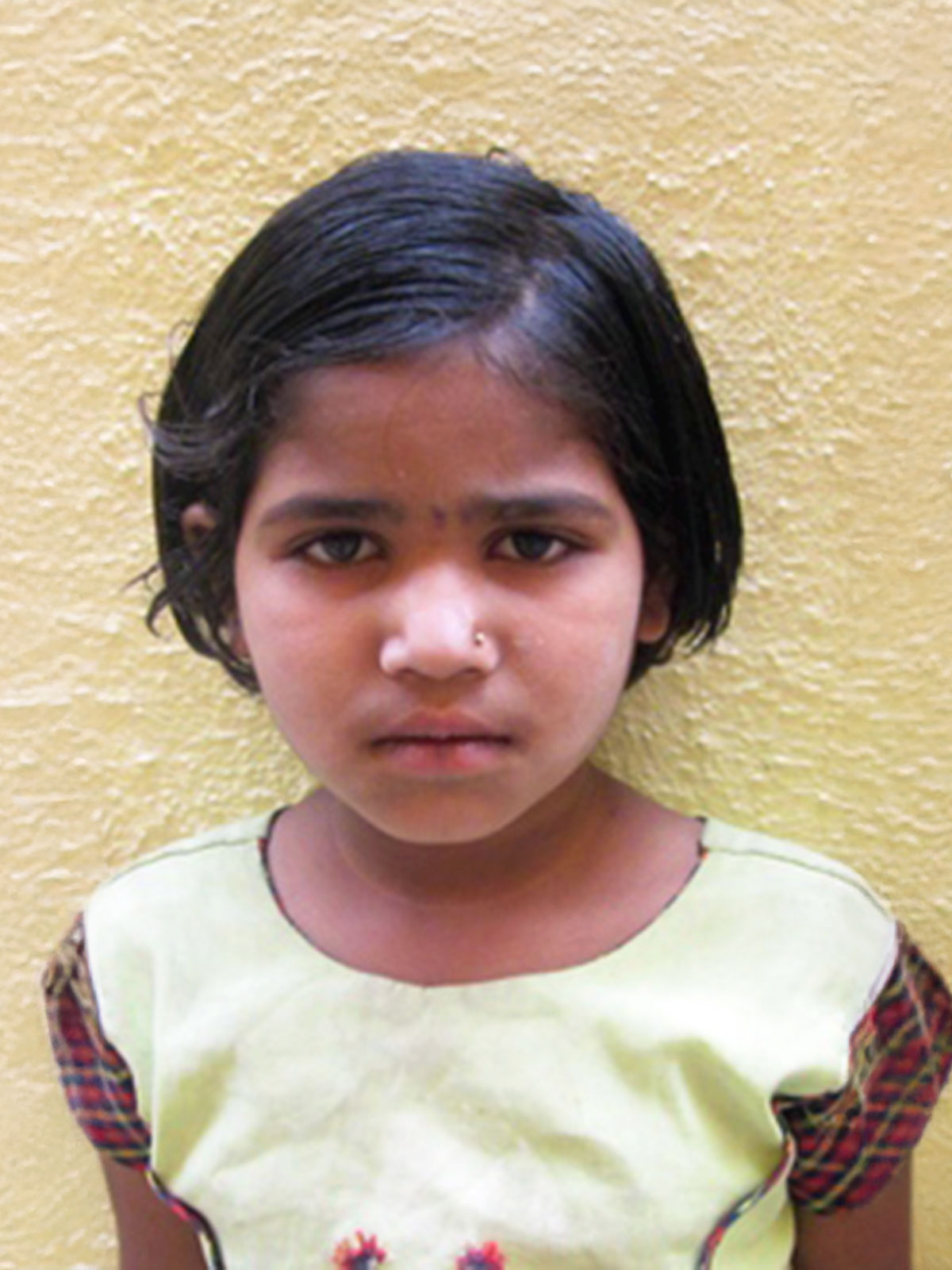
Even at a young age, Meena clearly understood — between taking care of the household and prioritizing her education, her responsibilities at home came first.
Meena’s family isn’t alone in this view. Across India, gender bias is still so deeply entrenched that girls are four times more likely than boys to help with domestic work. On average, UNICEF has found that girls in India spend 134 minutes per day on chores — nearly 70% more time than boys.
While boys use that time to study or play, girls often fall behind in school. And when a girl isn’t educated, she’s exposed to dangers no child should face: child labor, early marriage, even trafficking.
This cycle is particularly common in impoverished communities. Families with ample resources can afford to send all of their children to school, even their daughters. But when poverty forces a family to choose, they often choose to send their sons to school — and keep their daughters home.
Meena’s story could have ended that way — until her family learned about Holt’s partner organization Bharatiya Samaj Seva Kendra (BSSK) and the Holt sponsors and donors who are determined to keep girls like Meena in school.
Breaking Barriers to Education
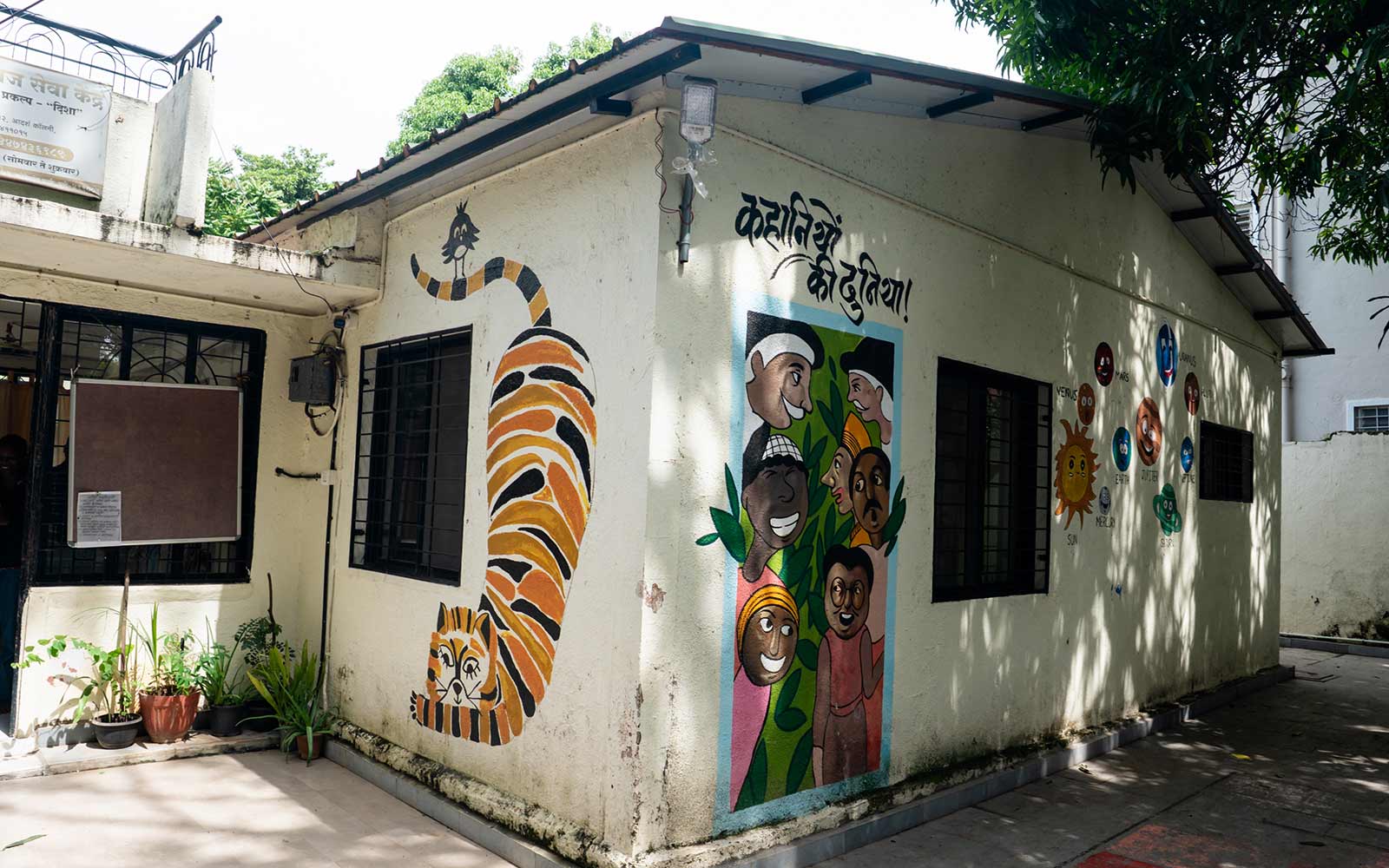
Through BSSK, Holt sponsors and donors are transforming the future for children living in poverty.
Through their generous gifts, children receive everything they need to attend school. Sponsors and donors also help fund family assistance, parenting workshops and literacy programs through BSSK — removing barriers that keep children out of school.
As they face greater barriers to education, most of the children in Holt’s sponsorship program in India are girls. With sponsor support, BSSK provides the resources and advocacy these girls need to stay in school and pursue their dreams.
When Meena was 7, a Holt sponsor stepped in to help her succeed. Through BSSK, she received academic enrichment and ongoing support from a social worker who regularly checked on her progress.
At first, Meena was behind in school. She struggled to focus and often talked about how important it was to cook and clean at home.
Seeing the weight of responsibility on her small shoulders, BSSK staff worked with her family. They counseled her mother to adjust her work hours so Meena could have some time to herself — time to simply be a child.
Over time, Meena caught up with her studies. She spent time with her friends. She learned to dance and spent time making crafts. But academically, she wasn’t excelling. Compared to her brothers, Meena was performing only average.
So when she reached 10th grade — a time when over 1 in 5 students in India drop out of school — her relatives questioned whether she should be in school at all.
Instead, they suggested, maybe 14-year-old Meena should get married.
The Child Brides of India
Although marriage is illegal in India for girls under 18 and boys under 21, the law is difficult to enforce. India alone accounts for one-third of the world’s child brides.
Across the country, 1 in 4 girls is married before her 18th birthday.
“When poverty pushes families to choose, girls are the first to be pulled out of school — exposing them to the threats of child labor and early marriage, and robbing them of their right to a brighter future,” says Vaishali, BSSK’s educational support program director.
Child brides often face a future of hardship. Fewer than 2 in 10 married girls remain in school. Girls who marry young often endure domestic violence, and are more likely to raise children they can’t support and become trapped in a cycle that repeats itself with the next generation.
“Early marriages cut short their childhood, compromise their health and trap them in cycles of poverty,” says Chaitrali, a member of BSSK’s educational support team. Meena’s future hung in the balance. Would she continue her education, or become a child bride?
Preventing Child Marriage in India
When we meet Meena, now 17, she is wearing her hair in a long, neat braid and a white shirt that reads, “Let go of the old and embrace the new.” She’s also wearing a black bindi on her forehead — a sign that she’s unmarried.
She smiles easily, and her eyes seem to smile too. But when we ask what it was like to learn she might be married off, a shadow passes over her face.
“I felt bad,” she says, looking off into the distance. “My relatives would say that I should not study. [They’d] tell me to stay at home and do the household work, while my brothers were studying and working.”
Pressures from her extended relatives began to influence her parents, convincing them that maybe Meena would be better off married than continuing her education past 10th grade. Her parents, both illiterate and raised in poverty, had never seen education modeled as a path to opportunity. For them, school was unfamiliar — but marriage was tradition.
Through support from Holt sponsors and donors, BSSK staff works with families regularly to prevent child marriage. Social workers sit down with parents to talk about the importance of delaying marriage until their daughters turn 18. At times, their staff has intervened to prevent girls from marrying.
“BSSK with the help of authorities has stopped child marriages if there was information beforehand,” Vaishali says. Because Meena was connected with BSSK, her parents received counseling that helped them reconsider their decision. Instead of pulling her out of school, they chose to protect her education — and her future.
Meena’s Bright Future
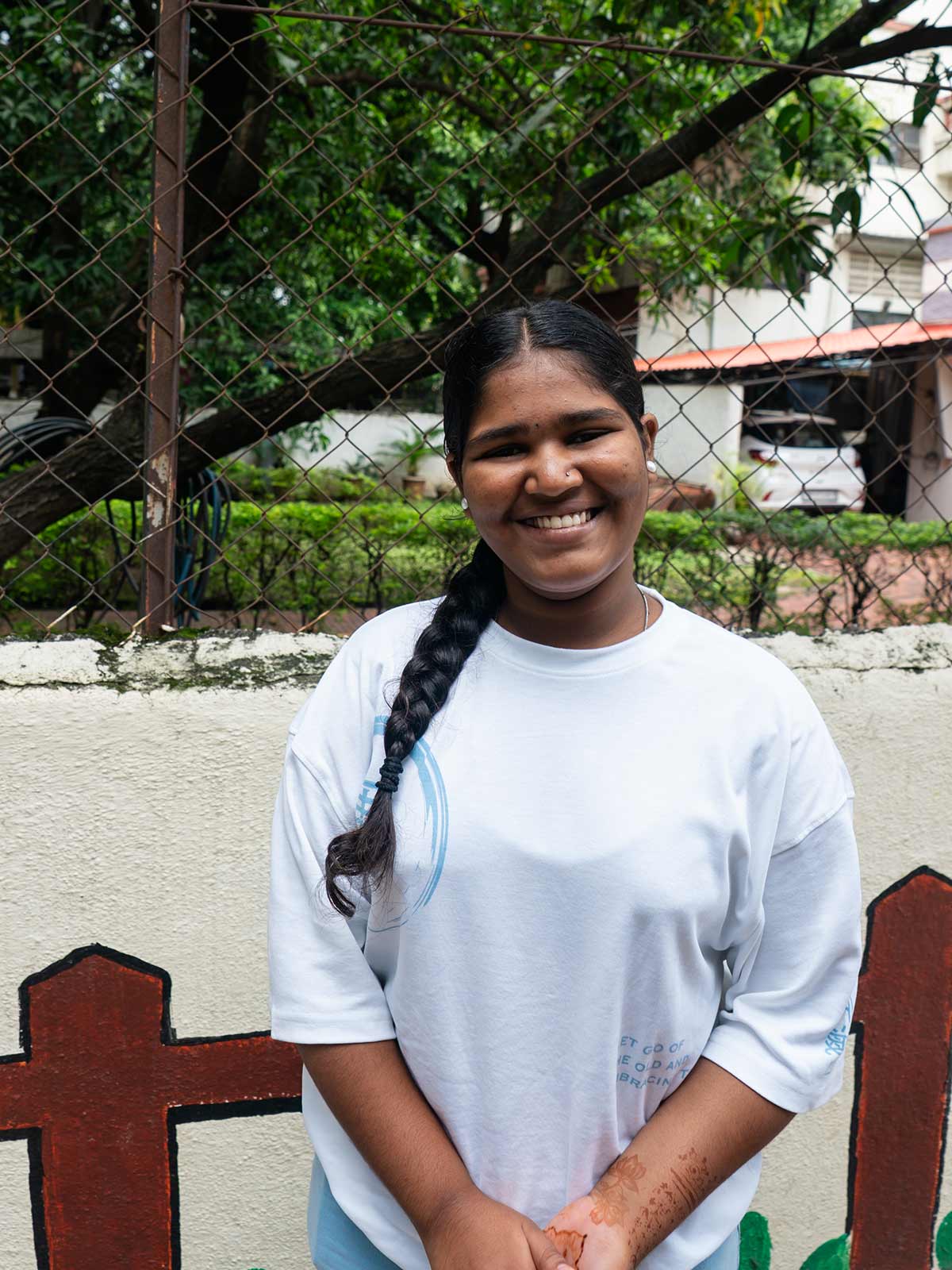
When she learned that she could continue her education, Meena worked harder than ever. She started meeting with a tutor. Her grades improved, and she began to dream of what her future might look like.
She attended BSSK’s career days and decided she wanted to pursue radiology — just like her brothers.
“It’s good that a girl pursues her education,” Meena says of the difficulties girls face. “Girls have to prove to themselves that, ‘Yes, even I can complete my education.’”
Meena is now finishing up her second year of schooling to be a medical lab assistant. After graduating, she will start working in a hospital.
She’s proud of all the progress she’s made, even in the face of adversity.
“Now I have gone all the way. I want to keep on studying further,” Meena says. “There are members of my extended family who are telling me that I have studied enough, and that now I need to stop so I can concentrate on the household work. There are still situations happening that I feel bad about. But now, at this stage, my parents — particularly my father — are behind me. He doesn’t make those comments anymore.”
Meena’s life changed when she stayed in school — and so did her family’s beliefs. Generational cycles of early marriage are ending, all because of those who stand for girls’ education.
Keeping Girls Safe in India
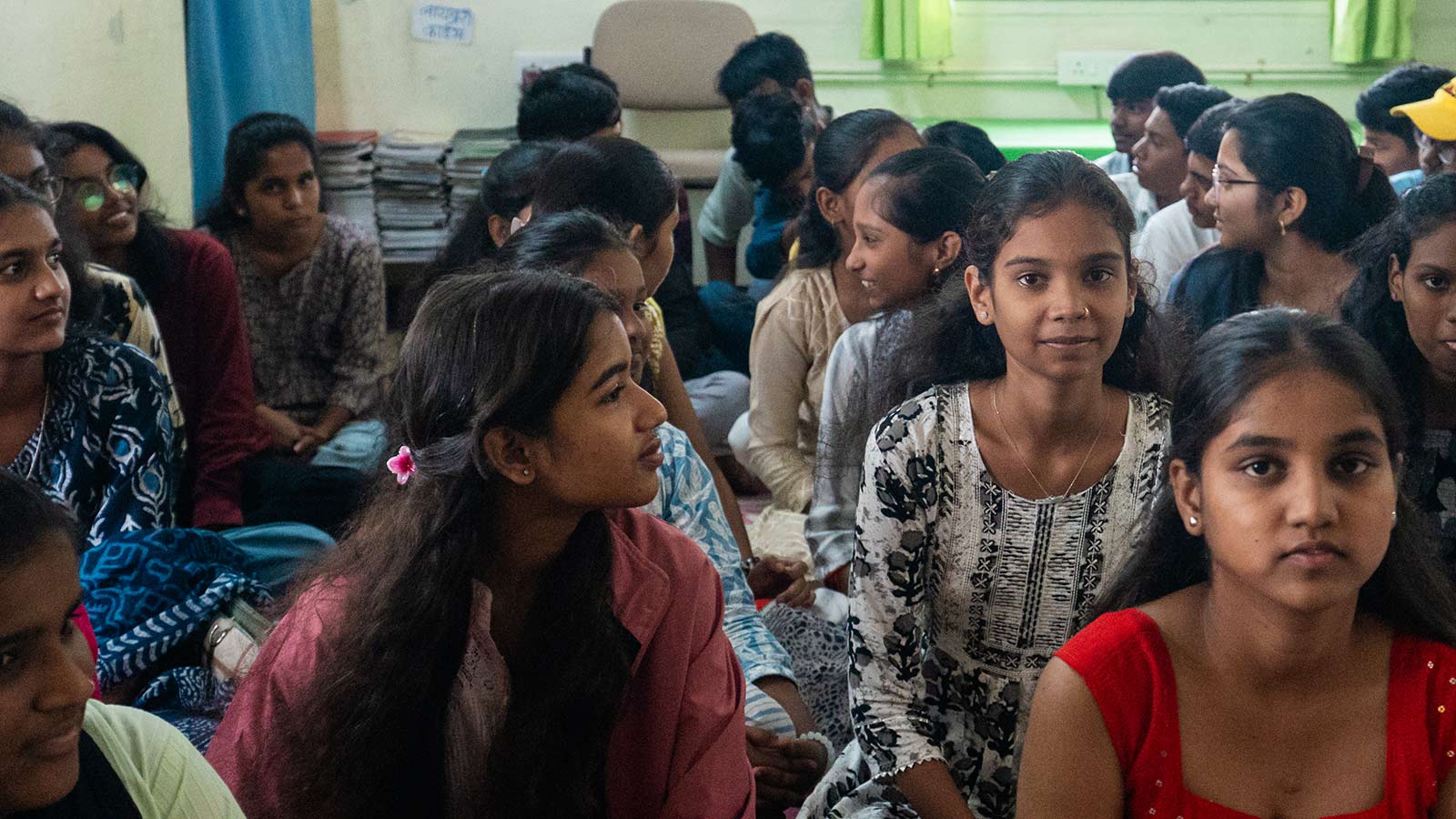
Educating a girl is one of the most effective ways to keep her safe. Yet for many families, the cost of tuition, uniforms and school supplies creates a barrier they can’t overcome.
That’s where Holt sponsors and donors step in, providing the support girls need to stay in school, complete their education and avoid early marriage.
“Keeping girls in school is one of the most powerful ways to protect their rights, ensure dignity and unlock their potential to shape a better future,” Chaitrali says.
For Meena, sponsor and donor support has protected her future, giving her the same opportunities as her three older brothers.
“Because of your support, I am able to study,” Meena says, smiling. “My parents were not in a financial condition to support all four of us. And if it was between the four siblings, I wouldn’t have been a priority of studies because boys are given more priority for studying. It is because of your support that I have been able to study up to now.”
Ten years have passed since Meena stepped into the doorway of BSSK for the first time. The support of sponsors and donors has set her on a path that has transformed her life.
“Thanks to BSSK, I now have a platform to step forward and speak,” Meena says. “When I was young, I wasn’t very bold, but today I feel confident and poised … I have proved to myself that, yes, even I can do this.”
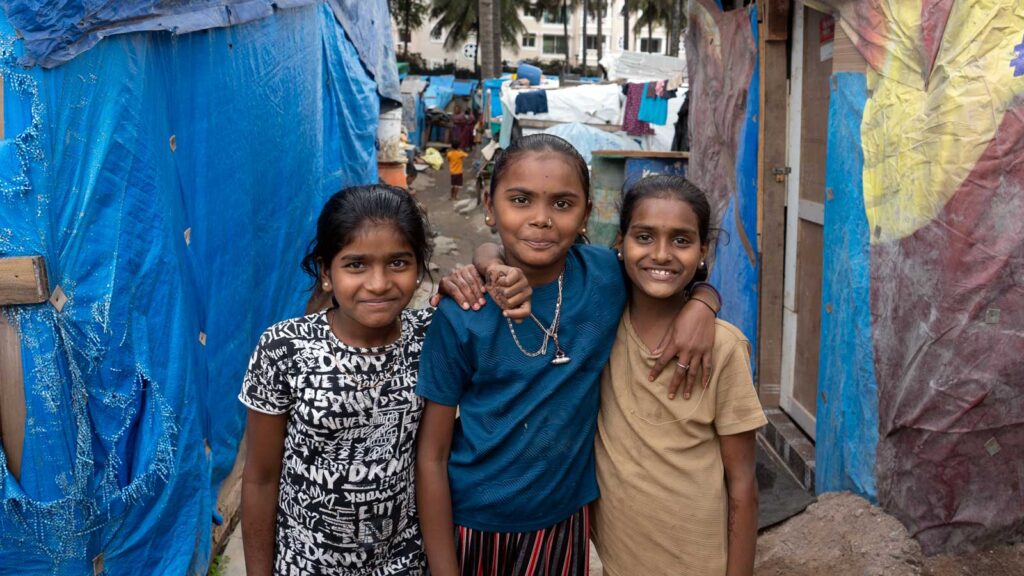
Keep girls safe from trafficking and early marriage
This #GivingTuesday, help send 240 girls to school and protect their futures.